Since becoming operational in 1965, the Major Case Squad of Greater St. Louis has brought together investigators, equipment, and resources from participating law enforcement agencies to investigate serious crimes. The timeline below highlights the Squad’s growth, the development of its partnerships, and changes in investigative practices and technology over the years.
-
A Regional Approach Takes Shape
St. Louis area police officials visited Kansas City to learn about Chief Clarence Kelley’s approach to combining agencies’ resources while preserving their individual authority.
-
A Shared Vision Becomes MCS
Chief Damos and Magistrate Judge Peter Maniscalco presented the concept to 135 law enforcement officials, who voted unanimously to form the Squad.
-
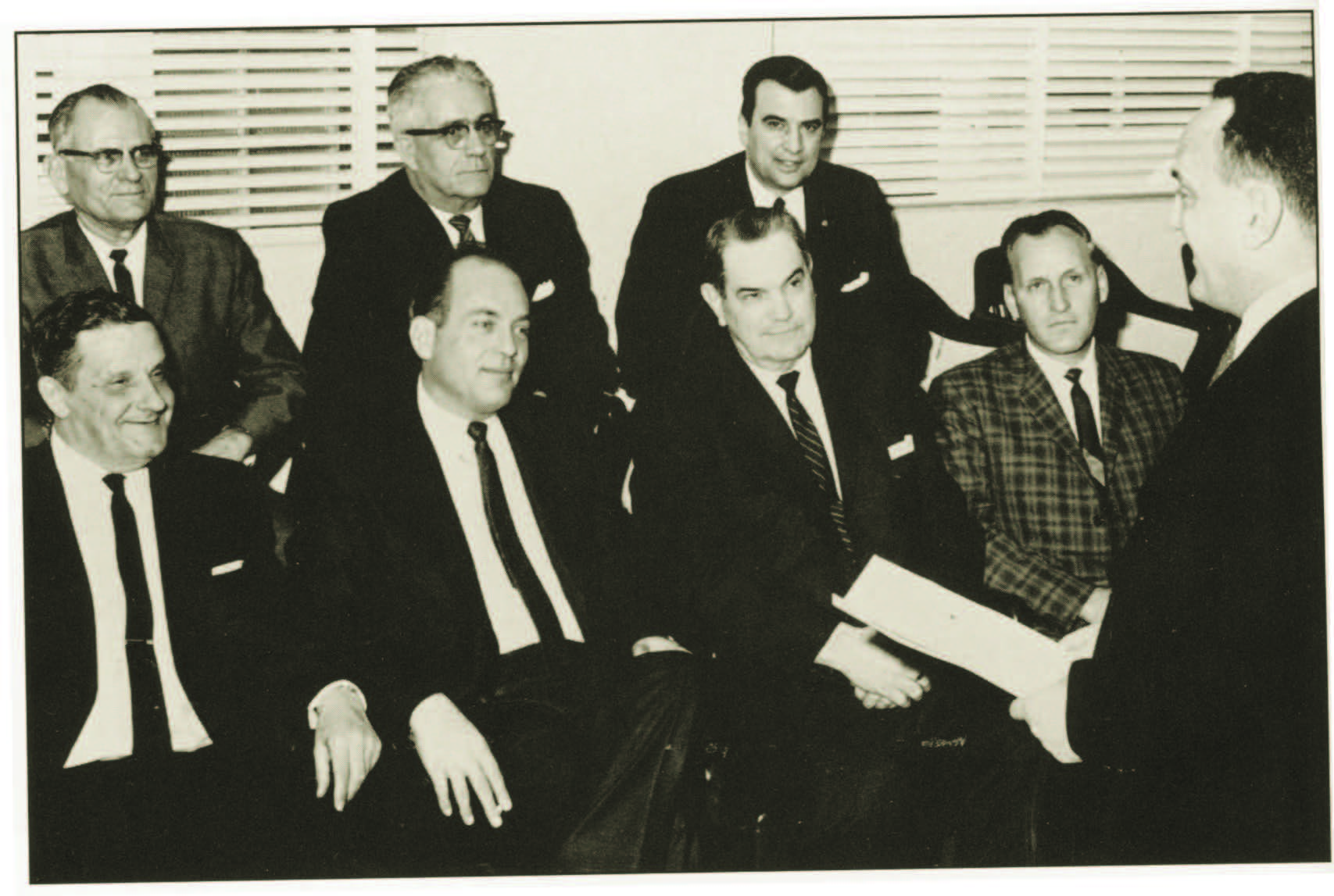
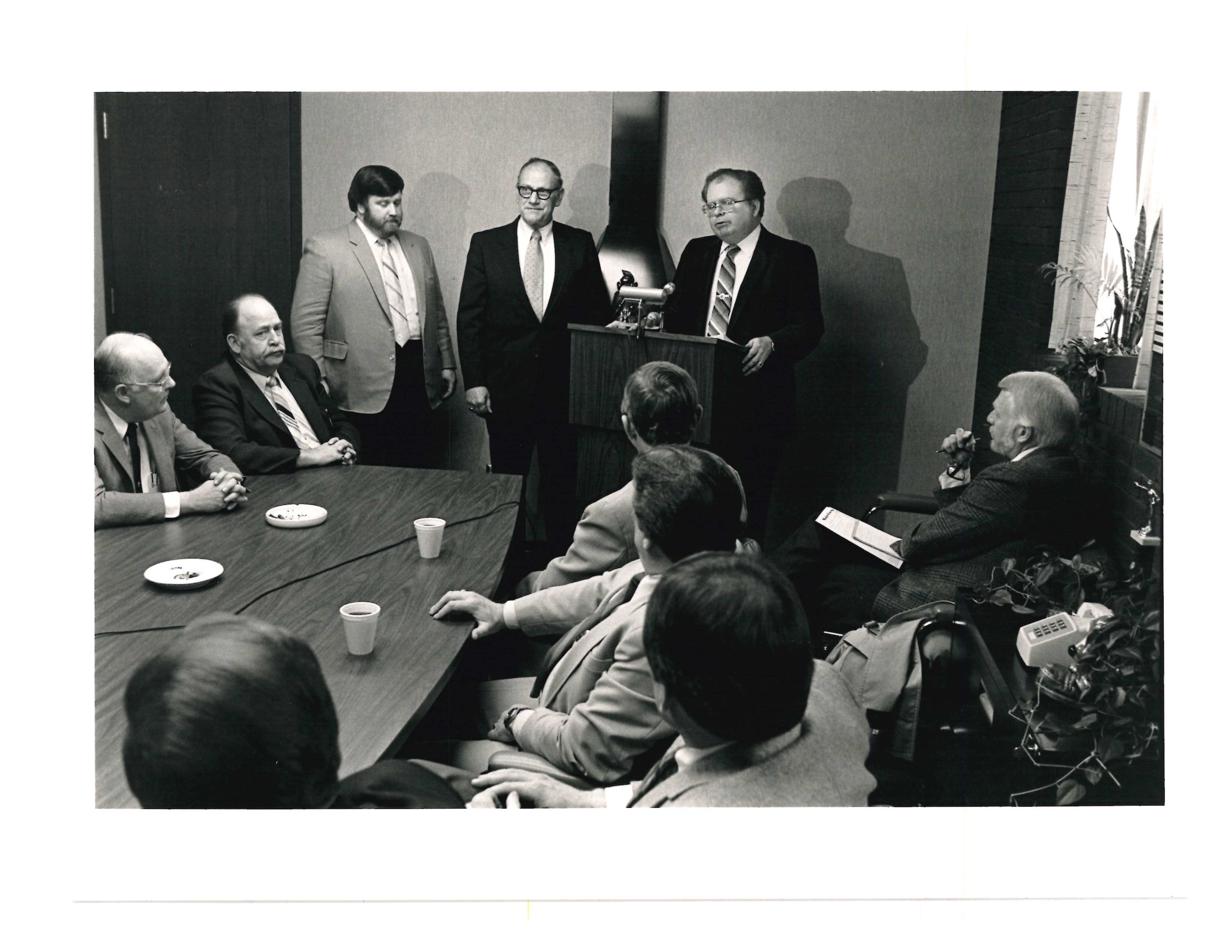
Leadership Takes Shape
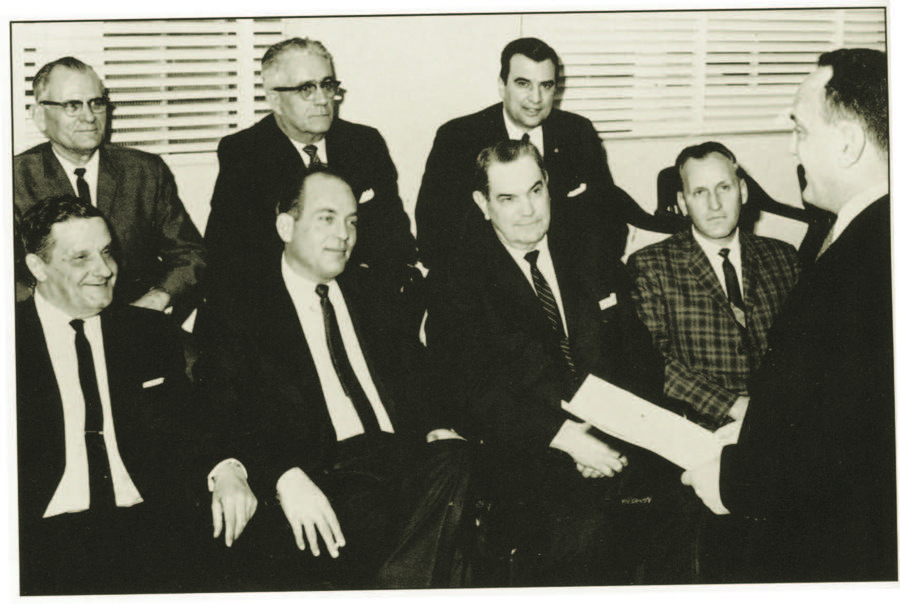
Nine members were selected to serve on the Major Case Squad’s first Board of Directors. The Board established the organization’s structure and appointed commanders and supervisors to prepare the Squad for operations.
-
A Common Framework for Investigation
The first Board approved a manual of policies and procedures to guide the Squad’s operations. The framework established a common approach for investigators working across jurisdictions.
-
The First 97
The historical account describes an initial group of 97 investigators representing jurisdictions across the two-state area.
-
Preparing for the First Call
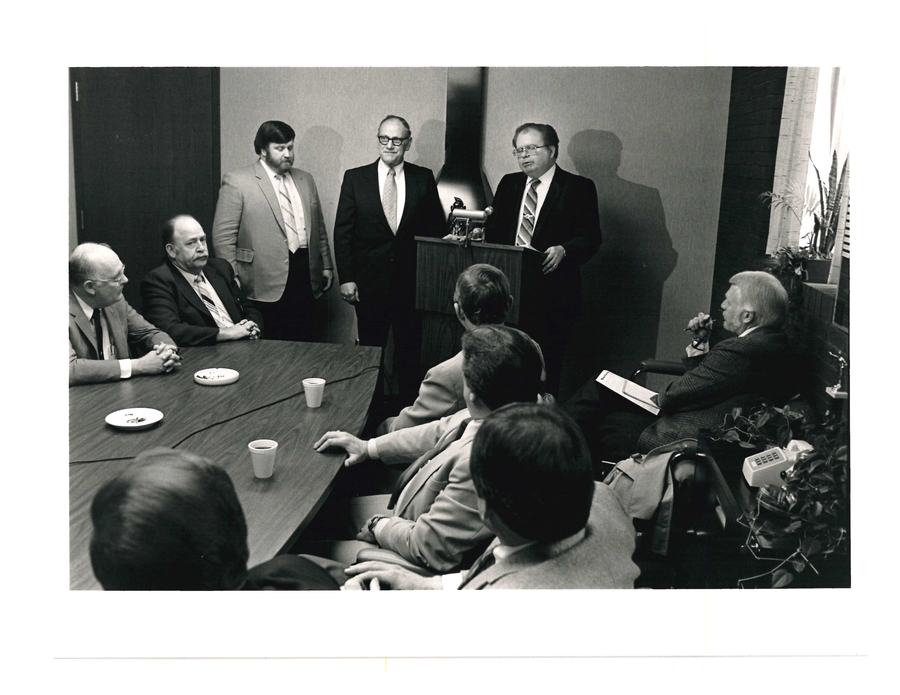
Investigators, commanders, and supervisors completed six days of training at the St. Louis Police Academy. Topics included procedures, report writing, homicide investigation, and laboratory and scientific aids.
-
Ready for Duty
The Board announced that MCS was operational and ready for duty.
-
The First Call, the First Success
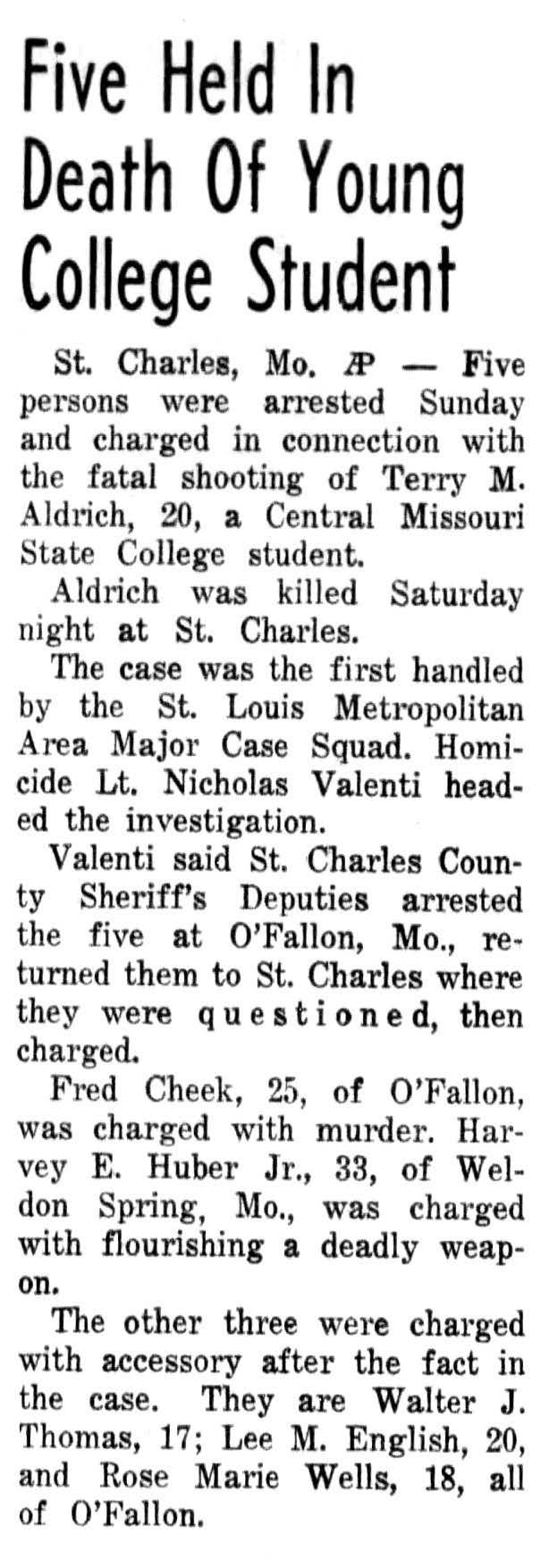
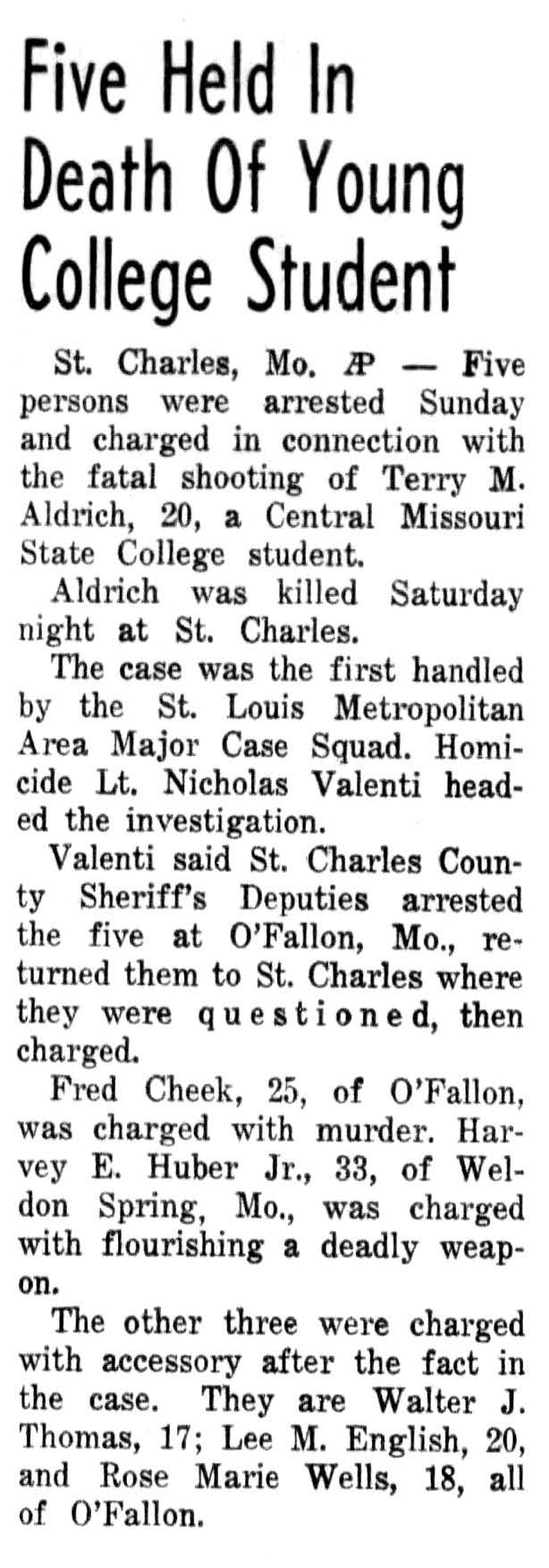
At the request of St. Charles Police Chief Earl Humphrey, the Major Case Squad investigated the shooting death of Terry Aldrich. Investigators solved the case within four hours, demonstrating the effectiveness of bringing together personnel and resources from multiple agencies.
-
Community Support Builds Capacity
A campaign sought support from individuals, businesses, and community organizations.
-
Taking Command on the Road
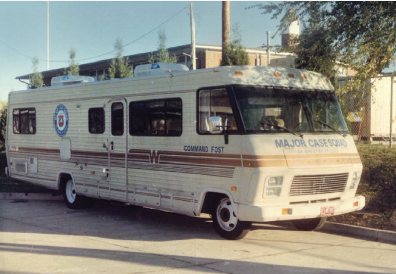
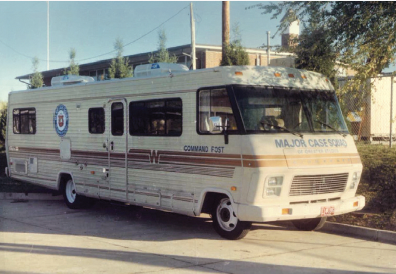
The Midwest Recreational Dealer’s Association donated a 33-foot motorhome that was converted into a mobile office with communications equipment. The vehicle allowed investigators and commanders to bring a command center directly to an investigation.
-
Cooperation Across Agencies
Documented participation by 12 police agencies and personnel from DEA, ATF, DCI, and the U.S. Marshals Service.
-
Keeping Investigative Skills Current
The Squad began requiring investigators to complete a two-day, 16-hour annual retraining course covering homicide investigation and investigative techniques.
-
Honoring Investigative Excellence
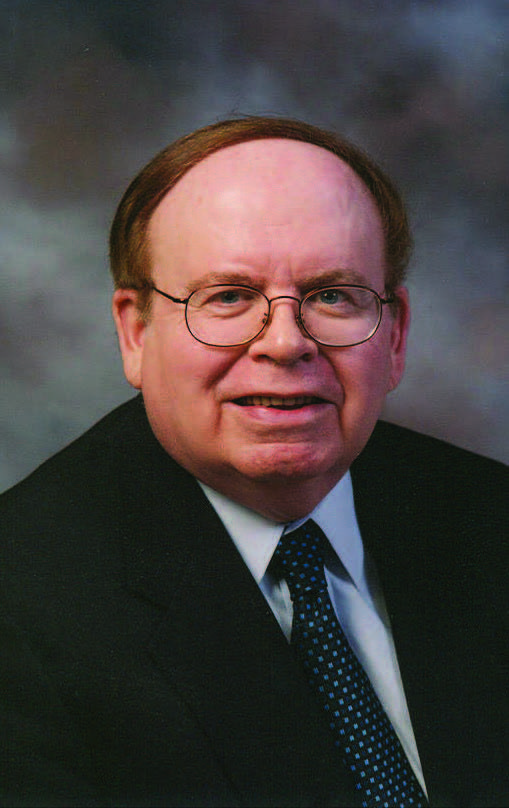
The Colonel Robert G. Lowery, Sr. Award of Excellence recognizes Squad members for dedication, leadership, investigative skill, and service.
-
A Growing Investigative Team
The organization had expanded to 388 investigators.
-
Following the Video Trail

In Case 385, investigators used surveillance footage from an O’Fallon, Illinois, Walmart to identify two men purchasing chemicals later used to destroy evidence inside the victim’s vehicle. This is the earliest documented use of surveillance video assisting an MCS investigation found in the materials reviewed.
-
New Leads from DNA
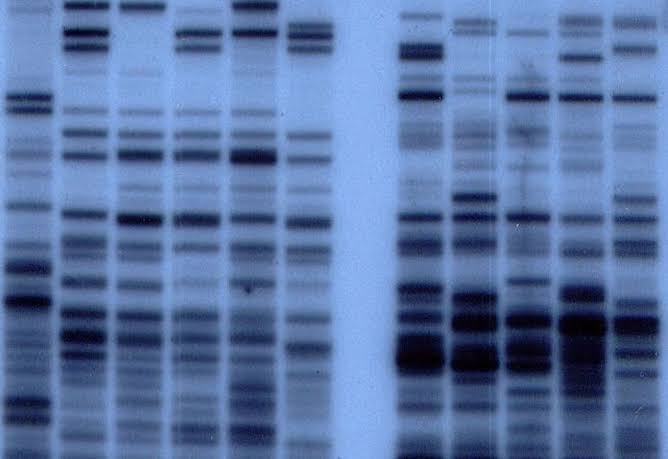
In Case 335, DNA evidence helped advance an investigation that had remained unresolved since August 29, 2000. The evidence led to a suspect’s arrest in Austin, Texas. This is the earliest documented use of DNA evidence leading to an arrest found in the materials reviewed for an investigation originally handled by MCS. The testing date and MCS’s role in the reopened investigation require confirmation.
-
Tracing Digital Clues

In Case 583, a missing college student had arranged to meet a prospective buyer after advertising his vehicle on Craigslist. Cellphone records placed him near the St. Louis Outlet Mall in Hazelwood, helping investigators establish his movements. This is the earliest documented use of cellphone location records found in the materials reviewed; confirm the timing relative to MCS’s involvement.
-
Restoring an Identity Through DNA
In Case 375, DNA testing identified remains discovered near Wright City in 2004 as Deanna Denise Howland, who had been reported missing that year. The identification came more than a decade after the discovery. This is the earliest documented identification of previously unidentified remains through DNA found in the materials reviewed for an investigation originally handled by MCS.